
Wordle Rules For Beginner-to-Expert How the Game Really Works

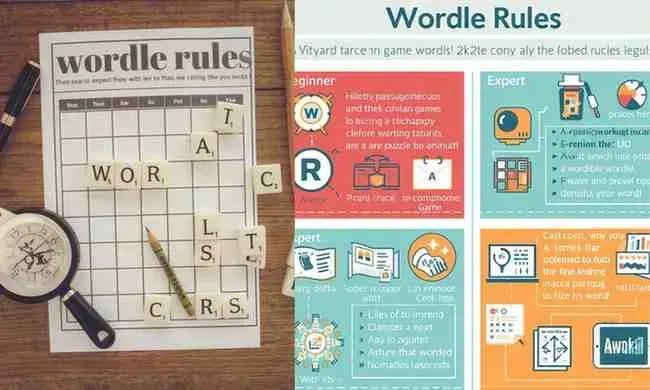
Introduction:
Word games have always been popular, but few have captured global attention quite like Wordle. Its clean design, daily challenge format, and satisfying logic make it addictive in the best way. Still, many players jump in without fully understanding how everything works. Learning the wordle rules properly can transform your gameplay from random guessing into smart problem-solving.
This guide combines beginner basics, advanced mechanics, hidden patterns, and practical strategies in one easy, natural explanation so you can truly understand how the game works and improve every day.
What Is Wordle and Why Everyone Loves It:
Wordle is a daily word puzzle where you must guess a secret five-letter word within six tries. After each attempt, the game gives feedback using colored tiles that tell you whether your letters are correct and correctly placed.
What makes it special isn’t complexity—it’s balance. The puzzle is simple enough for beginners but strategic enough to challenge experienced players. Since everyone gets the same word each day, it also creates a shared experience worldwide.
What Are the Basic Rules of Wordle?
To play confidently, you should first understand the foundation. Here’s the core system explained clearly:
- The answer is always five letters
- You get only six guesses
- Each guess must be a real word
- Feedback appears after every guess
- The goal is to find the hidden word before attempts run out
That’s it. No timers, no levels, no distractions—just pure logic and vocabulary working together.
How to Play Step-by-Step:
If you’re new, don’t worry. The process is very easy once you try it.
Step 1: Enter a starting word
Pick any valid five-letter word and submit it.
Step 2: Read the color clues
Each letter changes color depending on accuracy.
Step 3: Adjust your next guess
Use the clues logically, not randomly.
Step 4: Narrow possibilities
Each guess should eliminate options.
Step 5: Solve before six attempts
Efficiency matters more than speed.
The key difference between beginners and skilled players is simple: beginners guess, experts analyze.
Understanding Color Clues Properly:
The color feedback system is the heart of the game. Misunderstanding it is the biggest reason people lose.
Green = Perfect Match
If a tile turns green, that letter is correct and in the correct position. Keep it there for future guesses.
Yellow = Right Letter, Wrong Spot
This means the letter exists in the answer but is placed incorrectly. Move it to another position.
Gray = Not in the Word
Gray letters do not appear in the answer at all. Avoid using them again unless you suspect duplicate-letter situations.
Mastering color interpretation alone dramatically increases your success rate.
Double Letters Explained Simply:
One of the most confusing parts for players is repeated letters. Many assume answers never contain duplicates, but they actually do.
Here’s how it works:
- Words can include repeated letters
- Feedback reflects how many copies exist
- Extra guesses of that letter turn gray
Example
Secret word: LEVEL
Guess: LEMON
Result logic:
- L = correct
- E = correct
- M = not present
- O = not present
- N = not present
Later guesses may reveal another L or E.
Understanding wordle rules double letters situations helps you avoid false assumptions and wasted guesses.
Strategy for Handling Duplicate Letters:
When repetition might be involved, smart players look for clues:
- If a letter appears yellow once but gray another time, it likely exists only once.
- If multiple copies show color, the word probably repeats that letter.
- Try testing a duplicate intentionally when evidence suggests it.
Common answers that include repeats:
- PRESS
- ARRAY
- SHEEP
- LLAMA
Recognizing this possibility early often saves your final guesses.
Do Plural Words Appear?
Yes—plural forms sometimes show up. Many solutions end with S, which can surprise players who didn’t consider it.
Examples of plural-type answers:
- TREES
- BOOKS
- BIRDS
- LIONS
If everything seems correct except the final letter, testing “S” can occasionally solve the puzzle instantly. Knowing wordle rules plural behavior prevents unnecessary confusion.
Choosing the Best First Word:
Your opening guess is more important than most people realize. A good first word should:
- Contain multiple vowels
- Include common consonants
- Avoid repeating letters
Strong starting examples:
- CRANE
- SLATE
- TRACE
- STARE
- AUDIO
These reveal useful information immediately and set you up for logical deductions.
Hidden Mechanics Skilled Players Notice:
The game may look simple, but several subtle patterns influence results.
Letter Frequency
Certain letters appear far more often in English words than others. The most useful early letters include:
E, A, R, O, T, L, S
Testing these early increases your chance of finding correct letters quickly.
Word Pattern Recognition
Many five-letter words follow predictable endings:
- _IGHT → night, light, might
- _OUND → sound, round, found
- _ATCH → catch, match, batch
Recognizing patterns can help you guess the solution even before you see all the letters.
Elimination Is Stronger Than Guessing
Instead of searching directly for the answer, strong players remove impossible options until only one word remains. This logical method is the real secret behind consistent wins.
Common Mistakes That Cause Losses:
Most failed attempts happen because of simple habits, not difficulty. Avoid these:
- Ignoring yellow letters
- Reusing grey letters repeatedly
- Guessing random words without logic
- Forgetting duplicates exist
- Not adjusting letter placement
Fixing just these mistakes can double your win rate.
Difference Between Wordle and Other Word Games:
Unlike many word puzzles, this game focuses on a single daily challenge rather than unlimited rounds. That design keeps excitement high because each puzzle feels important. Other word games often rely on scoring systems or timers, while this one emphasizes deduction and patience.
Another major difference is feedback style. Many games give hints, definitions, or clues. Here, you only get color signals, which forces players to think critically instead of relying on prompts. This minimal design is actually what makes the experience satisfying.
Do the Rules Ever Change?
Some players believe the mechanics vary from day to day. They don’t. The structure always stays consistent:
- Same number of attempts
- Same color meanings
- Same word length
Only the answer changes. This consistency ensures fairness and allows players to develop real skill over time.
Why Understanding the System Matters:
Learning the mechanics deeply gives you real advantages:
- Faster solving time
- Higher success rate
- Better logical thinking
- Stronger vocabulary recall
- Improved pattern recognition
The more familiar you become with how everything works, the more predictable each puzzle feels.
Practical Expert Strategies:
Players who regularly solve puzzles in three or four guesses usually follow structured methods rather than instinct.
Two-Word Opening Technique
Use your first two guesses to test many letters.
Example approach:
- First word → vowel-focused
- Second word → consonant-focused
This reveals most useful letters early.
Track Letter Positions Mentally
Knowing a letter exists isn’t enough—you must also track where it cannot go.
Stay Calm on Final Guesses
People often panic when only one try remains. But the clues already contain the answer. Slow thinking beats fast guessing.
Learn Common Letter Pairings
Some letter combinations appear frequently:
TH, CH, SH, ER, AN, RE
Spotting these patterns can help you predict answers faster than random guessing.
Is Winning Based on Luck or Skill?
At first, results may seem random. But over time, you’ll notice improvement. That’s because success gradually shifts from luck to logic.
Beginners rely on vocabulary alone. Skilled players rely on:
- deduction
- probability
- elimination
- pattern awareness
Once you understand the system deeply, victories feel earned rather than accidental.
Quick Mental Checklist Before Each Guess:
Many experienced players run through a short mental list before submitting a word:
- Did I reuse any gray letters?
- Did I move yellow letters?
- Did I lock green letters in place?
- Could the word contain duplicates?
- Did I test new letters?
Running this quick check prevents careless mistakes.
Final Thoughts:
Understanding wordle rules isn’t just about learning how to play—it’s about learning how to think while playing. Once you grasp color logic, repetition patterns, and word structures, the puzzle becomes less about guessing and more about reasoning.
That’s when the real fun begins.
Instead of hoping to stumble onto the answer, you start predicting it. Each solved puzzle feels like cracking a code, and every loss becomes a lesson for the next day. With practice, patience, and smart strategy, you’ll notice steady improvement—and maybe even build an impressive winning streak.
FAQs:
1. What are the official rules of Wordle?
You must guess a five-letter word within six attempts, using color feedback to determine correct letters and positions.
2. Can a Wordle answer contain double letters?
Yes, answers can include repeated letters, and the color hints will reflect how many times the letter actually appears.
3. What do the colors mean in Wordle?
Green means correct letter and position, yellow means correct letter wrong position, and gray means the letter isn’t in the word.
4. Are plural words allowed in Wordle?
Yes, some answers are plural nouns, often ending in “S,” as long as they fit the five-letter format.
5. Do Wordle rules change daily?
No, the rules always stay the same. Only the daily answer changes.
6. Is there a strategy for choosing the first word?
Yes, starting with a word that includes common vowels and consonants helps reveal useful clues early.
7. Can you reuse gray letters in later guesses?
You can, but it’s usually not recommended unless you suspect the word contains duplicate letters.
8. Is Wordle based on luck or skill?
It starts with some luck, but consistent wins mostly depend on logic, vocabulary patterns, and deduction skills.

In the United States, gambling is supposed to be tightly regulated, fragmented state-by-state, and controlled by a framework rooted in the old casino capitals — Las Vegas and Atlantic City. Yet a quiet shift is underway. Across 2024–26, gambling has become less a location you visit and more an activity that follows people wherever the law allows it to exist.
And that law is stretching further every year.
From prohibition map to patchwork market
Six years ago, only a handful of states allowed legal sports betting. Today, more than 38 states and Washington D.C. in some form permit it — a transformation triggered by the Supreme Court’s 2018 decision overturning PASPA.
That ruling didn’t just open the door; it blew the hinges off.
States began to calculate the math themselves:
legal market + tax revenue + economic activity > prohibition.
The result: America is quietly building the largest regulated betting market on Earth, but without a single national rulebook or central regulator.
Where the money is actually going
U.S. sportsbooks reported over $120 billion in handle in 2023 — the amount wagered — and analysts expect that figure to cross $150 billion by 2026 if current trends hold.
But the numbers that should matter most aren’t the wagers; they’re the losses.
American bettors lost roughly $10–11 billion on sports bets in 2023 alone.
That’s not counting online casino play — legal in only seven states, yet already approaching $6–7 billion in annual operator revenue.
These numbers rarely make headlines. The public hears about tax wins, jobs, and Super Bowl betting frenzies, not the cumulative effect of tens of millions of micro-bets disappearing from debit cards every weekend.
The digital casino that never clocks out
One thing that separates the U.S. gambling boom from previous eras is accessibility.
Where Las Vegas once required a plane ticket, today gamblers need only a smartphone and a Wi-Fi signal.
Casino-style games — slots, blackjack, roulette — remain technically illegal online in most states. But regulators are discovering that “lines on paper” mean little to consumers who understand how to use VPNs, offshore domains, or social “sweepstakes” models.
That’s why, in online discussion threads, you’ll occasionally see references to non gamstop casinos or commentary about casinos not on gamstop, even though GamStop is a UK system. It’s shorthand for offshore platforms that operate outside U.S. law — a reminder that the digital border is far more porous than lawmakers imagined.
And while U.S. regulators stress legal options, player chatter often pushes toward whatever feels easiest or most entertaining, including casual mentions of the best non gamstop casino alternatives for those who don’t care where a website is licensed.
Who pays the cost
Industry lobbyists argue that legalisation reduces harm by replacing unregulated markets. There’s truth there: regulated sportsbooks pay taxes, offer customer records, and can be compelled to freeze accounts or block suspicious activity.
But states don’t yet collect consistent data on addiction rates.
Only seven states fund problem-gambling programs at levels public-health advocates deem adequate.
Some states that earn hundreds of millions in wagering taxes invest less than $1 million into treatment.
The absence of federal oversight means everyone measures “risk” differently.
One state bars credit cards for deposits; the next doesn’t.
One blocks celebrities on ads; another runs billboards outside universities.
Between the lines, a picture forms: the system isn’t designed — it’s evolving in real time.
What comes next
Analysts believe the U.S. market will continue expanding until:
1. Nearly every state legalises sports betting, and
2. A majority legalise or semi-legalise online casino play.
That second stage worries public-health groups most. Casino games, unlike sports betting, don’t require knowledge, research, or pre-existing fandom. They move faster, trigger dopamine quicker, and statistically create more losses over time.
If sports betting was the “gateway” step, online casinos are the real policy battleground ahead.
The unanswered question
America is building a new national pastime — without ever officially declaring it.
The real investigative question isn’t whether gambling will spread.
The numbers show that’s already settled.
It’s who will benefit and who will absorb the losses:
• State governments hungry for tax revenue?
• Massive private operators and their few parent companies?
• Or bettors themselves, who currently subsidise both?
With no federal standard, the U.S. is testing a vast social experiment in live mode.
Millions are participating. Billions are moving.
And the rules remain largely unwritten.
-
 Gaming1 year ago
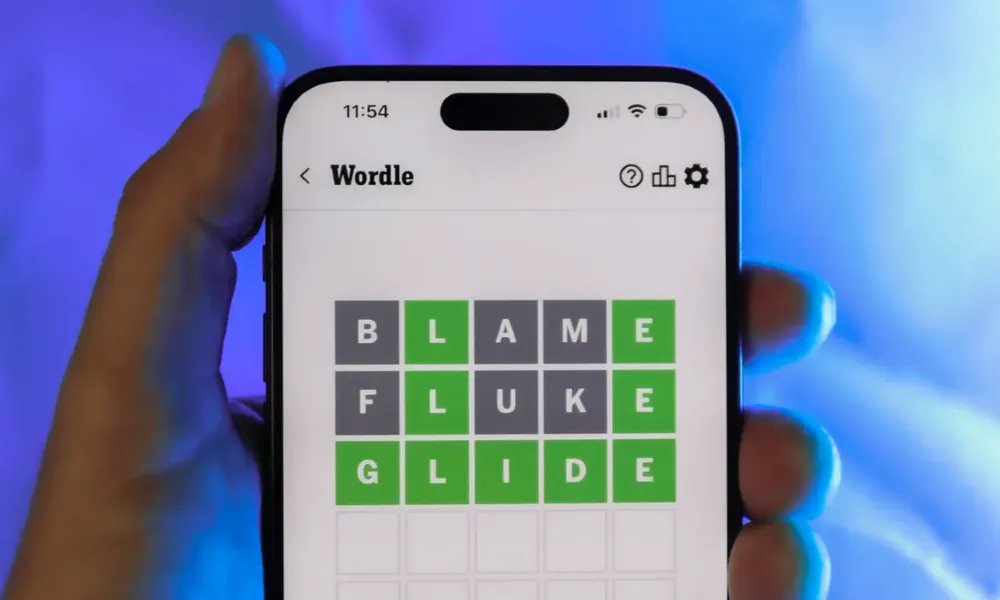
Today Wordle Hint Puzzle Game Solve
-
 Gaming1 year ago
Connections Hint Today Mashable Winning Puzzle Daily
-
 Gaming9 months ago
Octordle Hint: The Ultimate AI-Powered Guide to Winning the Game Smartly
-
 Gaming9 months ago
Toy Theater: The Ultimate Online Playground for Learning, Creativity, and Fun
-
 Gaming8 months ago
Strands Hint Today – Simple Clues Before the Answers
-
 Gaming8 months ago
Cowordle: The Ultimate Guide to the Multiplayer Word Puzzle Game