
India Vs Pakistan- Why Fans Feel More Than Just Cricket

Introduction:
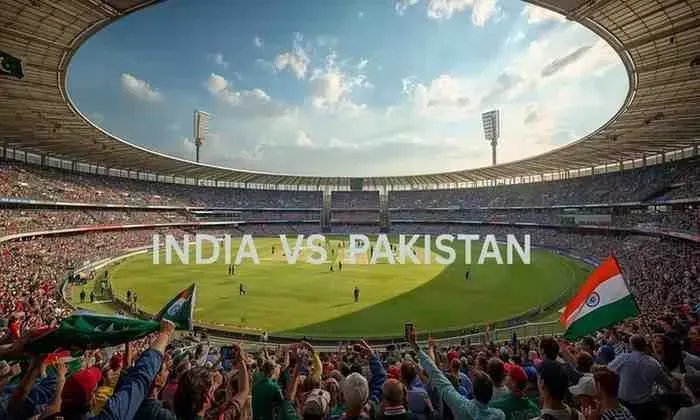
India Vs Pakistan match is more than a game of cricket. It was a powerful, emotional spectacle that transcended sides of the field. It is national pride, historical tension, politics and the dreams of millions of supporters in each country. Every time these two teams play, it feels like the world stops to watch. These fans are not just rooting for victory—each moment is felt deeply and each ball bowled, or run scored is a visceral experience.
This contest is more than a game now; it’s an extravaganza fueled by passion, anticipation and pride. Such an intense match and cultural impact on cricket means it's a timeless topic of conversation. But why does it feel as if so much is at stake beyond just cricket? In this piece, we dissect the root causes of why fans get so emotionally invested when India and Pakistan come out to do battle.
Decades of Match from 1947 to the Present:
The match was born much before the first ball of cricket was bowled and with it came a history that cannot be put in words. The match is grounded in the intertwined history of both countries, which were once part of British India before they were split into two separate nations in 1947. Two nations were born: India and Pakistan, each with its own cultural, political and religious identity. The partition resulted in enormous violence, displacement and animosity that left its mark for decades. Those historical wounds have colored how both nations view each other, both on the cricket field and off. Cricket provided a ready battlefield to excuse these tensions, and games transformed into high-stakes battles not just for winning but for national pride.
The matches have always been dominated by the veil of tension, thrill and unpredictability since their inaugural meeting in 1952. The games are about more than a hockey match itself, they are representative of the wider political and cultural tensions between the two nations.
The Impact of Nationalism and Patriotism:
For a fan, in either India or Pakistan, cricket is not just a game but also an object of national pride and patriotism. The matches are heavily laden with nationalism. Every win of one team is celebrated as the nation’s victory and every failure a reminder of the deep-rooted match outside cricket.
Cricket in India has been fused with the national identity. It is one way for the country to demonstrate its unity and power. The game is nothing different in Pakistan – it means survival, pride and dignity. It is the spirit of patriotism that powers the heart-stopping emotions, for each run or wicket falls into place during a skirmish to establish national supremacy. These emotions run deep. When these two meet, it is not just cricket for which they compete. It is the values, spirit and superstructure of the nation itself that are at stake.
Fans The Pulse of Game:
The real pulse of the encounter is in its fans. Fans on both sides bring tremendous passion to their teams, and those emotions define the atmosphere of the entire affair. Their love for the game is close to being religious and extends beyond what might be called fandom. Fans show their emotions in lots of ways — cheering, chanting, waving flags, and even getting into bitter arguments on the internet. Fans´ responses to these matches are representative of a more general mood. A win is a winning of the nation with eyes on a loss leading to crushing frustration and disappointment. The voice of these fans has been magnified in recent years by social media. Outlets, including Twitter and Instagram, serve as spaces where fans can trade opinions, debates and memes. The intense competition continues even there, even here among these platforms, where every match is talked and tweeted about, broken down and occasionally mocked. This digital interaction turns the match into a worldwide spectacle.
Iconic Matchups of Notable Encounters:
The cricket history has witnessed numerous moments when the game was etched into folklore. Some moments that stand out in battle history, providing lifelong memories for fans from each country.
1. 1992 ICC World Cup (The)
- Result: Pakistan won by 43 runs
- Best Performers:
- Pakistan: Javed Miandad (58 runs), Wasim Akram (33 runs
- India: Mohammad Azharuddin (48 runs), Sachin Tendulkar (54 runs)
- Key Moment:
- Pakistan set a target of 220, and India fell short, with Pakistan winning the first-ever World Cup encounter between the two nations.
- Scorecard:
- Pakistan: 220 all out (49.5 overs)
- India: 176 all out (43.3 overs)
2. 1996 ICC World Cup Quarter-Final (The)
- Result: India won by 39 runs
- Best Performers:
- India: Navjot Sidhu (93 runs), Anil Kumble (3/35)
- Pakistan: Aamir Sohail (55 runs), Wasim Akram (33 runs)
- Key Moment:
- Pakistan, chasing 288 runs, faltered under pressure, and India’s bowlers, led by Kumble, ensured Pakistan’s collapse.
- Scorecard:
- India: 287/8 (50 overs)
- Pakistan: 248 all out (49.5 overs)
3. 1999 ICC World Cup (The)
- Result: India won by 47 runs
- Best Performers:
- India: Sourav Ganguly (30 runs), Javagal Srinath (3/35)
- Pakistan: Shahid Afridi (40 runs), Wasim Akram (19 runs)
- Key Moment:
- India posted 227 runs, and Pakistan's chase fell short despite Afridi’s late fightback. India’s bowlers, especially Srinath, sealed the victory.
- Scorecard:
- India: 227 all out (49.5 overs)
- Pakistan: 180 all out (46.4 overs)
4. 2003 ICC World Cup (The)
- Result: India won by 6 wickets
- Best Performers:
- India: Virender Sehwag (45 runs), Zaheer Khan (2/35)
- Pakistan: Saeed Anwar (47 runs), Shoaib Akhtar (2/32)
- Key Moment:
- India set 246 runs, and Pakistan failed to chase it due to Zaheer Khan’s brilliant bowling, which dismissed Pakistan's top order.
- Scorecard:
- India: 245/6 (50 overs)
- Pakistan: 199 all out (46.4 overs)
5. 2004 Asia Cup (The)
- Result: India won by 59 runs
- Best Performers:
- India: Virender Sehwag (45 runs), Zaheer Khan (3/30)
- Pakistan: Younis Khan (45 runs), Shahid Afridi (33 runs)
- Key Moment:
- India set a target of 259, and Pakistan fell short due to Zaheer Khan's disciplined bowling spell.
- Scorecard:
- India: 258/7 (50 overs)
- Pakistan: 199 all out (48.5 overs)
6. 2007 ICC T20 World Cup Final (The)
- Result: India won by 5 runs
- Best Performers:
- India: Gautam Gambhir (75 runs), Irfan Pathan (3/16)
- Pakistan: Misbah-ul-Haq (43 runs), Shahid Afridi (19 runs)
- Key Moment:
- Pakistan needed 13 runs from the final over. Misbah-ul-Haq was dismissed by Joginder Sharma, giving India the win in this thrilling T20 final.
- Scorecard:
- India: 157/5 (20 overs)
- Pakistan: 152/9 (20 overs)
7. 2008 Asia Cup (The)
- Result: India won by 6 wickets
- Best Performers:
- India: Gautam Gambhir (69 runs), MS Dhoni (28* runs)
- Pakistan: Shahid Afridi (50 runs), Younis Khan (22 runs)
- Key Moment:
- Pakistan posted a challenging total of 269 runs, but India chased it down easily with Gambhir’s 69 runs and Dhoni’s finishing skills.
- Scorecard:
- Pakistan: 268/9 (50 overs)
- India: 270/4 (49.4 overs)
8. 2009 ICC T20 World Cup (The)
- Result: India won by 5 runs
- Best Performers:
- India: Yuvraj Singh (19 runs), Harbhajan Singh (2/29)
- Pakistan: Shahid Afridi (50 runs), Umar Gul (3/26)
- Key Moment:
- Pakistan needed 13 runs from the final over, but Harbhajan Singh and Yuvraj Singh held their nerve, guiding India to a thrilling victory.
- Scorecard:
- India: 153/5 (20 overs)
- Pakistan: 148/7 (20 overs)
9. 2011 ICC World Cup Semi-Final (The)
- Result: India won by 29 runs
- Best Performers:
- India: Sachin Tendulkar (85 runs), Yuvraj Singh (30 runs)
- Pakistan: Shahid Afridi (19 runs), Wahab Riaz (2/54)
- Key Moment:
- India set 261 runs, and despite a strong start, Pakistan could not chase it down. India’s bowlers took key wickets in the middle overs.
- Scorecard:
- India: 260/9 (50 overs)
- Pakistan: 231 all out (49.5 overs)
10. 2014 Asia Cup (The)
- Result: India won by 7 wickets
- Best Performers:
- India: Virat Kohli (67 runs), Mohammad Shami (2/40)
- Pakistan: Misbah-ul-Haq (50 runs), Shahid Afridi (15 runs)
- Key Moment:
- Pakistan set a target of 248 runs, but India chased it down with ease, thanks to Kohli’s composed knock.
- Scorecard:
- Pakistan: 248/9 (50 overs)
- India: 249/3 (45.4 overs)
11. 2015 ICC Cricket World Cup (The)
- Result: India won by 76 runs
- Best Performers:
- India: Rohit Sharma (137 runs), Mohammad Shami (4/35)
- Pakistan: Sarfraz Ahmed (49 runs), Wahab Riaz (2/38)
- Key Moment:
- India set a target of 300 runs, and Pakistan could only manage 224 runs in response. Shami’s 4 wickets were crucial in Pakistan’s downfall.
- Scorecard:
- India: 300/7 (50 overs)
- Pakistan: 224 all out (47.5 overs)
12. 2012 T20 World Cup (The)
- Result: India won by 8 wickets
- Best Performers:
- India: Virat Kohli (78* runs), Irfan Pathan (3/20)
- Pakistan: Nasir Jamshed (55 runs), Mohammad Hafeez (18 runs)
- Key Moment:
- Pakistan set a modest total of 129 runs, and India chased it down easily, led by Kohli’s unbeaten knock.
- Scorecard:
- Pakistan: 128/7 (20 overs)
- India: 130/2 (16.5 overs)
13. 2004 ICC Champions Trophy (The)
- Result: India won by 1 run
- Best Performers:
- India: Sourav Ganguly (98 runs), Zaheer Khan (3/30)
- Pakistan: Shoaib Malik (47 runs), Mohammad Sami (3/46)
- Key Moment:
- India defended a total of 274 runs, and Pakistan fell just short in the final over in a nail-biting finish.
- Scorecard:
- India: 274/6 (50 overs)
- Pakistan: 273/9 (50 overs)
14. 2018 Asia Cup (The)
- Result: India won by 8 wickets
- Best Performers:
- India: Rohit Sharma (52 runs), Shikhar Dhawan (46 runs
- Pakistan: Babar Azam (47 runs), Shoaib Malik (43 runs)
- Key Moment:
- Pakistan’s total of 162 was comfortably chased down by India, with Rohit and Dhawan leading the charge.
- Scorecard:
- Pakistan: 162/8 (50 overs)
- India: 163/2 (29 overs)
15. 2017 ICC Champions Trophy Final (The)
- Result: Pakistan won by 180 runs
- Best Performers:
- Pakistan: Fakhar Zaman (114 runs), Mohammad Amir (3/16)
- India: Virat Kohli (4 runs), Rohit Sharma (34 runs)
- Key Moment:
- Fakhar Zaman’s stunning century helped Pakistan post 338 runs, and Mohammad Amir’s brilliant bowling restricted India to just 158 runs, securing Pakistan’s first-ever Champions Trophy win.
- Scorecard:
- Pakistan: 338/4 (50 overs)
- India: 158 all out (30.3 overs)
The Role of Media:
Two, the media does not help matters by its obvious propping up of The. Television, newspapers and social media means every match is an international spectacle. The media coverage of these matches also contributes to the larger-than-life image about them. Television commentators stoke the fire by playing up the significance of the match, and subtly reminding viewers that this is about far more than just a game or two of football: it’s about history, politics and national pride. They have also had the assistance of the media in influencing public opinion pre- and post matches, offering reviews that pour over matches (in an emotional style) after they have been played. Social media has taken on the job of providing feedback to the media in this digital age. The match takes shape in real time, with fans from all over the world hopping on Twitter, Instagram and Facebook to share their thoughts. Hashtags sweep the world, memes are produced and everyone has their say immediately. Traditional media and digital platforms have globalized the match.
The Political Factor in the competition:
Politics has been an unfortunate part of the cricket match. Cricketing links between the two countries have often affected by political tensions and, on occasion, matches themselves have been relocated to accommodate these tensions. Cricket matches have been cancelled or rescheduled due to political tension. Too often, the game is secondary to the politics. National leaders and politicians routinely attach exaggerated importance to the match, presenting it as representing where far more than sport.
These political dimensions bring another level of depth to the match, further painting it as a topic of national and global conversation. Cricket, in this regard (no pun intended) is not just about the sporting strength of nations but also a means of displaying power between two countries.
What the Match Means Off the Field:
The repercussions of the friction transcend beyond just the cricket field. The result of these matches can have real-world effects on each nation. Who will win or lose during an India-Pakistan match is the burning topic of conversation in offices and schools, homes and cafes. For most of them, this is one of the few occasions where personal pride and national pride come together so intensely. The consequences can trigger cheers or tears across the country and this emotional lift often filters down into daily interaction. The tug of war also extends to the cultural sphere. Movies, TV shows and art are filled with the strong feelings that come up during these matches. The story of India and Pakistan dueling not only over cricket but also in national swagger plays out daily.
A Discourse Analysis of Fan Love on Social Media:
The The rivarly has taken a new dimension, thanks to social media. What was once relegated to stadiums and network airtime is now playing out in real-time, on platforms such as Twitter, Instagram and Facebook. Every match is a global event, not just a time zone–straddling spectacle, but an around-the-clock conversation with millions of people participating at the same time (and during stare-at-your-phone hours). Fans don’t simply watch—they comment on what they’re seeing, share things they like or hate (news stories and opinion pieces as well as memes and gifs), produce work that responds to it. As a result, the match stops being something you experience in one place: It becomes something that never stays the same anywhere. But this engagement is powered by a roiling, and often poisonous, undertow. Trolling and slagging are part of social media banter between Indian and Pakistani fans, but it can turn ugly. On Twitter and Facebook, fans rant or laugh at one another as a deluge of memes, hashtags and viral videos turbocharge the drama. One post can erupt into Real Housewives levels of arguing, with thousands upon thousands of fans defending or denouncing said content in a never-ending cycle of digital mayhem.
The ups and downs are all experienced together, as each like or comment adds fuel to the match. When India or Pakistan win, the dam bursts with communal celebrations and when they lose, so do the memes and stinging barbs. In an increasingly digital world, this match is closer (and more real time) than ever, with fans now determining the way in which the world views the match. Where once it was a physical tournament, now it is fought as much on the far reaches of the internet and so it makes sense to talk about India-Pakistan not just as a game but a global confrontation.
Fans’ Expectation Defines a Victory or Defeat:
When the clash, the encounter is never just about cricket. The fans on both sides have the grandest possible expectations — a win is not just a victory for the team, it’s a national triumph. The streets are filled with jubilant revellers, social media buzzes with #Victory hashtags. But if India or Pakistan loses, the ceremonial aftermath can take on the feel of a deep personal loss for fans. Social media becomes the battleground, where fans let off steam, slag the players and browbeat the entire team for not meeting their standards.
The fire of these emotions is not for the grandstands only. Fans are no longer just passive viewers and cheerers — they are now part of the story, and social media explodes with every transaction. The tension of the game spills over into their online interactions. Every boundary is followed by a flurry of comments and likes, every wicket offers a digital cheer. But a loss? Fans express their frustration on Twitter, whether through sharing memes, constructing angry rants or even slagging off individual players. It’s not merely a game anymore — it is about national identity and pride, and social media reflects this as never before. But it’s not all bad. It stimulates engagement, even in loss. It’s where fans gather to get into arguments, laugh at memes or share their heartbreak. This interaction results in a common experience that connects millions across frontiers. Whether they’re trashing the opposition or praising themselves, fans play a key role too. Their likes, shares and comments contribute to the rising drama of this classic confrontation.
Fan’s Creation on Match Time:
India - Playcards, Cartoons, and Festoons:
- Virat Kohli: India’s Pride, Fearless and Unstoppable
- Rohit Sharma: The Hitman Who Defines Boundaries
- KL Rahul: Elegant, Strong, and Always Ready to Deliver
- Hardik Pandya: The All-Rounder Who Makes the Difference
- Shubman Gill: The Future Star of Indian Cricket
- Jasprit Bumrah: India’s Yorker King
- Rishabh Pant: Aggressive Behind the Stumps, Fearless with the Bat
- Ravindra Jadeja: India’s Master All-Rounder
- Mohammad Shami: Precision in Every Delivery
- Ishan Kishan: The Power-Hitter Who Can Change the Game
- Ravichandran Ashwin: The Spin Wizard Who Controls the Game
- Bhuvneshwar Kumar: Swinging India to Victory
- Suryakumar Yadav: The Maestro of the T20 Format
- MS Dhoni: A Legacy That Lives On
- India: Where Every Victory Feels Like a National Celebration
- India’s Bowling Attack: Relentless, Fearless, and Ready to Strike
- Kohli’s Leadership: Leading India with Determination and Passion
- Shami’s Speed: The Fast Bowler Who Strikes When It Counts
- The Men in Blue: Representing India’s Glory on Every Field
- We Don’t Just Win, We Make History
- Ravindra Jadeja: The Best Fielder, The Best All-Rounder
- Bumrah: India’s Fast Bowling Future is in Safe Hands
- Virat Kohli: The Batting Icon Who Sets the Bar High
- Rohit Sharma’s Sixes: A Nation Cheers with Every Hit
- India: When We Win, We Win Together, as One Nation
Pakistan - Playcards, Cartoons, and Festoons:
- Babar Azam: Pakistan’s Captain, Leading with Class
- Shaheen Afridi: Pakistan’s Fast Bowler Who Strikes Fear
- Fakhar Zaman: The Power-Hitter Who Can Change the Game
- Mohammad Rizwan: The Keeper Who Delivers Under Pressure
- Haris Rauf: The Speedster Who Brings the Heat
- Shadab Khan: Pakistan’s Spin Maestro
- Imam-ul-Haq: The Stylish Batsman Who Delivers
- Sarfraz Ahmed: The Leader Who Inspires Pakistan’s Fight
- Asif Ali: The Game-Changer in Pressure Situations
- Mohammad Hafeez: Pakistan’s Reliable All-Rounder
- Pakistan’s Batting Line-Up: Fearless and Ready to Fire
- Shaheen Afridi: Pakistan’s Rising Star of Fast Bowling
- Babar Azam: Leading Pakistan to Glory
- Haris Rauf: The Bowler Who Keeps Batsmen Guessing
- Pakistan: We Don’t Just Play Cricket, We Play with Pride
- Shoaib Malik: Pakistan’s Veteran Who Continues to Shine
- Pakistan’s Young Guns: Ready to Take Over the Cricketing World
- Shaheen Afridi: Lightning Fast and Relentless
- Pakistan’s Spirit: Unbreakable, Undeniable, Unstoppable
- Imam-ul-Haq: The Quiet Assassin at the Top of the Order
- Pakistan’s Bowling: Lethal and Fearless, We Attack
- Babar Azam: The Captain Who Brings Pakistan Together
- Pakistan: Where Every Victory is a Triumph for Our Nation
- Pakistan’s Fight: Cricket Runs Through Our Veins
- When Pakistan Wins, It’s Not Just the Team Winning—It’s the Entire Natio
The World Impact Beyond Borders:
The cricket may be something that is popular among fans only in the two nations, but its effects are felt globally. They are watched by fans around the world, notably those of South Asian heritage. It's a truly global match of the highest order, as it's more than just about two teams: It's about two nations with storied history and complex past. The game’s passionate global following demonstrates how cricket can be a vehicle for uniting human beings, even in the face of political rivalries that divide nations. The competition is in fact a spectacle shared by everyone, everywhere.
The Future of the Match:
With changes in the world, so has the nature of The match. But with younger generations coming of age in increasingly globalized times, the match could take on a different dimension. But it is not likely to vanish. The profound cultural and emotional connective tissue that glues fans to their teams transcends time. The shape of the match may fluctuate — depending on political climates, social media involvement or how fan cultures change — but it is not going away anytime soon in cricket. The passion won't change, and the match will be forever tied to fans.
Conclusion:
The match is a permanent love affair for millions. It’s a match that goes well beyond cricket. It has to do with history, it has to do with politics and nationalism, and it has to do with the profound emotional associations people have even for their sports teams. On or off the field, the match is always fierce. For the fans, it is not just about cricket, it’s a part of who they are and something that makes them proud, like their collective soul.
FAQ:
1. Why is the India vs Pakistan cricket match so intense?
The India vs Pakistan rivalry is intense due to historical, political tensions, and national pride. Both nations view the match as a matter of pride, making it more than just a game.
2. How many times have India and Pakistan faced each other in World Cups?
India and Pakistan have met seven times in ICC World Cups, with India winning all the encounters.
3. Which was the most memorable India vs Pakistan match?
The 2007 ICC T20 World Cup final where India won by 5 runs is considered the most memorable, marking the start of the T20 revolution.
4. Who are the top performers in India vs Pakistan matches?
Virat Kohli, Shahin Afridi, Babar Azam, and Jasprit Bumrah are some of the standout performers in these high-pressure matches.
5. How has social media impacted the India vs Pakistan rivalry?
Social media has amplified the rivalry, with fans trolling, sharing memes, and engaging in real-time debates, making the match even more intense.
6. What is the win-loss record in World Cups between India and Pakistan?
India remains undefeated against Pakistan in World Cups, with seven wins in as many matches.
7. Why is the India vs Pakistan match important to both countries?
It’s not just a match; it’s about national pride and historic rivalries. The game symbolizes strength and unity for both nations.
8. What are some famous India vs Pakistan World Cup encounters?
Memorable matches include the 2011 World Cup semi-final (India won by 29 runs) and the 2003 World Cup (India won by 6 wickets).
9. How does the India vs Pakistan rivalry affect the players?
Players feel immense pressure as the match represents national pride. It’s a high-stakes game with emotions running deep on both sides.
10. How often do India and Pakistan play cricket?
India and Pakistan mostly meet in ICC tournaments like the World Cup and Asia Cup, as bilateral series are rare due to political tensions.
11. Why do fans troll each other during India vs Pakistan matches?
Trolling is part of the intense national pride. Fans engage in banter and memes on social media, reflecting their passion for the game.
12. What was the most one-sided India vs Pakistan match?
The 2017 ICC Champions Trophy final where Pakistan defeated India by 180 runs is considered the most one-sided.
13. When will India and Pakistan face each other in the 2026 T20 World Cup?
India and Pakistan are scheduled to meet on 15 February 2026 in the ICC Men’s T20 World Cup at R. Premadasa Stadium in Colombo. But Pakistan may boycott the match because of aggressive decision of ICC and BCCI for banned Bangladesh from the tournament.
Introduction:
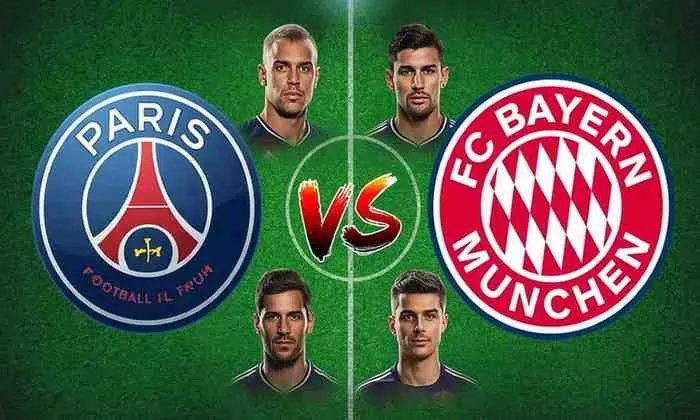
The 2020 Champions League final pits Paris Saint-Germain (PSG) against Bayern Munich, and it's more than just a battle of two giants in European soccer — it’s two philosophies, strategies and star power facing off. Both are perennial members of the absolute elite in world football, and every time they step onto the big stage, it's sure to be a firestorm. The grandeur between PSG and Bayern is never short of anything, from UEFA Champions League finals to high-octane knockout matches.
To Know More: Chelsea Vs Arsenal Head To Head
Head-to-Head Battle History:
The PSG vs Bayern Munich battles have simply given another chapter to their emerging rivalry in European football. They’ve played each other so many times, but every game is its own node in the great European football narrative. Here, we break down some of your favourite actresses' most significant, dramatic pairings ever:
Early Encounters: 1994/95 UEFA Cup
PSG and Bayern first met in the 1994/95 UEFA Cup round. Both clubs were hoping to announce themselves on the European stage, but Bayern came out on top 2-1 on aggregate to advance. This was a game that set the stage for years to come.
A rising force: 2017/18 UEFA Champions League group stage
By the time 2017/18 came around, PSG were ready for business. Bayern claimed a 3-1 victory in the group stage in Germany, but PSG answered back with an impressive 3-0 win at home in the return leg. This was a glimpse into the capacity of PSG’s attack, which it can unleash through Neymar, Edinson Cavani and Kylian Mbappé. With the two clubs showcasing world-class ability, the game was an indicator of things to come.
The 2020 UEFA Champions League Final: An Unfortunate Loss for PSG
One of the greatest images in this rivalry was the picture of PSG players celebrating on their way to their first-ever Champions League final last year. But despite creating a handful of opportunities, PSG ultimately came up short in the final as Bayern Munich secured a 1-0 win when Kingsley Coman’s header secured the title. The success was Bayern’s sixth European Cup, establishing them as one of the best clubs in Europe. It was a crushing blow for PSG on their quest for European supremacy.
2021 UEFA Champions League Quarterfinals: An Action-Packed Breakneck_Style Knoockout
The rivalry added another memorable chapter with the quarterfinals of 2021. PSG took the first leg, 3-2 in Paris as Kylian Mbappé netted twice; … Finally, in the internal return leg at the Allianz Arena, Bayern won 1-0, but this was not enough to get them through on aggregate. PSG went through on away goals and there was plenty of drama, late goals and raw tension in this tie as the battle heated up.
Battles to Come: An Unresolved War of Who’s on Top
This rivalry is already stunning, and it’s sure to remain so for the foreseeable future. London club.s The two London sides have been at the top of European football for a number of years, and continue to build on their squads and style. Every match between these two sides will be a cracker, filled with moments that can change the game.
Total Achievements of PSG vs Bayern Munich:
🔴 Paris Saint-Germain (PSG)
Domestic Titles (France)
- Ligue 1: 12 times
- Coupe de France: 14 times
- Coupe de la Ligue: 9 times
- Trophée des Champions: 12 times
European & International
- UEFA Champions League: 0
- UEFA Cup Winners’ Cup: 1 (1995–96)
- UEFA Champions League Runner-up: 1 (2019–20)
Total Major Trophies: ≈48
🔵 Bayern Munich
Domestic Titles (Germany)
- Bundesliga: 33 times
- DFB-Pokal (German Cup): 20 times
- DFL-Supercup: 10+ times
European & International
- UEFA Champions League: 6 times
- UEFA Super Cup: 2 times
- FIFA Club World Cup: 2 times
- Intercontinental Cup: 2 times
Total Major Trophies: ≈83+
Head-to-Head Achievement Summary
- Domestic dominance: PSG (France) vs Bayern (Germany)
- European success: Bayern Munich clearly ahead
- Champions League titles:
- PSG: 0
- Bayern Munich: 6
Memorable Moments:
The PSG vs Bayern Munich rivalry has brought with it some of the most memorable moments in recent footballing history. From the sensational goals to the tense knockout players, some of these:
Kingsley Coman’s Header (2020 Final)
The only goal of the match: Kingsley Coman heads in for Bayern Munich to win the 2020 UEFA Champions League final. Coman’s goal brought Bayern their sixth European crown and also represented the agony that PSG had rooted in them, despite playing so well.
Kylian Mbappé’s Brace (2021 Quarterfinals)
In 2021, his finest performance was certainly in the quarterfinals. We need a special connection from Real Madrid bcoz, on loan could be a risky deal as he now knows more of Pochettino and PSG altogether. Most likely Mbappe will also stay at PSG most time. It was his pace and deadly finishing that proved to be the game-changer in that fixture.
Neymar’s Masterclass (2017 Group Stage)
Neymar shone in PSG's 3-0 win at home to Bayern during a group-stage match-up between the two sides in 2017, clinching victory. It was his creativity and ball-carrying, evading defenders, that proved the difference as Bayern failed to contend with PSG’s attacking flow.
Bayern’s Comeback (2021 Quarterfinals)
Bayern Munich responded with a gritty 1-0 victory in the 2021 quarterfinals’ return leg that has left PSG teetering on the edge. Despite the win, Bayern were out on away goals, illustrating their never-say-die mentality.
Key Figures Who Define the Rivalry
This game means even more knowing that each time PSG and Bayern Munich step on the pitch, some of the best players in the history of football square off. These are the key contributors who have shaped this rivalry:
Kylian Mbappé (PSG)
A face of PSG’s front line, Mbappé is known for his lightning quickness and his killer finishing ability as he penetrates even the best defences. He has been a thorn in Bayern Munich’s side: his pace on the counter-attack has troubled their high defensive line.
Lionel Messi (PSG)
One of the best football players ever, his inclusion in this rivalry brings an extra sheen that can’t be ignored. He is a menace for Bayern with his dribbling, vision and ability to make something happen from nothing on the football pitch. Messi’s intelligence and knowledge of the game also mean that he can dictate the pace, which is something PSG are likely to benefit greatly from.
Neymar Jr. (PSG)
Neymar adds a degree of pizzazz and imagination to PSG’s frontline. With his dribbling abilities and vision, ability to create a goal out of nowhere, Neymar has always been PSG’s X-Factor in their fights against Bayern Munich.
Robert Lewandowski (Bayern Munich)
Lewandowski is a striker among the deadliest in the world. Brilliant clinical finishing, a box intelligence and big-time ability. Lewandowski’s goals have been a perennial vein of Bayern Munich power, especially in big games, like the ones against PSG.
Thomas Müller (Bayern Munich)
The German international is a key player at Bayern, with his off-the-ball running and experience of European football invaluable to the Bavarians. He plays others into the game, makes others better and scores his share of timely goals. His versatility, combined to his footballing brain make him the perfect fit for Bayern's attacking system.
Manuel Neuer (Bayern Munich)
Ranked as one of the world’s greatest goalkeepers, he possesses shot-stopping reflexes, towering leadership qualities and a sweeper-keeper style. When he plays against PSG, he is in sweeping action to keep Messi, Mbappé and Neymar under control.
Injury Updates and Team News:
In any big game, injuries and suspensions can greatly influence the predicted lineups of both teams. Beyond that, there are players for both sides — Marco Verratti on PSG and Ángel Di María, who often play a very important role in their team's success, but may not dictate the game.
PSG Injury Concerns:
Marco Verratti: The Italian midfielder plays a vital role in how PSG can advance. Without him, PSG could have a difficult time controlling the middle of the field.
Ángel Di María: His high-quality crosses and his dribbling are an asset. His absence might reduce PSG’s lateral play and creativity.
Bayern Munich Injury Concerns:
Serge Gnabry: Bayern Munich rely on the fleet-footed winger, especially on the break. That would be dealt a blow by his injury.
Leon Goretzka: In midfield, vital for balance to both prevent defensive penetration and initiate attacking play. Without him, Bayern’s midfield could be soft and vulnerable.
Predicted Starting Lineups:
Here are the projected lineups for this epic encounter based on current form, injuries and tactical options:
PSG (4-3-3 Formation):
Goalkeeper: Keylor Navas
Defenders: Achraf Hakimi, Marquinhos, Presnel Kimpembe, Nuno Mendes
Midfielders: Marco Verratti, Leandro Paredes, Ander Herrera
Forwards Henry Browne/Reuters Neymar Lionel Messi Kylian Mbappé
Bayern Munich (4-2-3-1 Formation):
Goalkeeper: Manuel Neuer
Defenders: Benjamin Pavard, Dayot Upamecano, Niklas Süle, Alphonso Davies
Midfielders Joshua Kimmich, Leon Goretzka, Thomas Müller
Forwards Kingsley Coman, Robert Lewandowski, Leroy Sané
Key Matchups:
Kyilian Mbappé vs Alphonso Davies: How will Mbappé’s pace match up with Davies’ strength and fitness? This wing duel will be crucial in opening up the attacking options for both sides.
Lionel Messi v Joshua Kimmich: How well the Argentine’s playmaking is stymied by Bayern in midfield through Kimmich taking care of his defensive role will determine how much both teams control the game.
Robert Lewandowski vs Marquinhos: The runs and finishing ability of Lewandowski will prove a problem for PSG’s captain, Marquinhos. How he deals with Lewandowski could be critical to PSG’s defensive success.
What You Can Expect in Their Next Meeting:
The stakes could hardly be higher as PSG and Bayern Munich get ready to clash in the 2025-26 UEFA Champions League. Both teams have developed as they had, with PSG (who for years were too “old” in both age and handling the ball) prioritising their attacking firepower and Bayern honing their tactics. Look for another exciting, high-stakes match — full of tension, excellent play and lots to talk about. Their rivalry must surely go on to be a grand narrative of our century, as both clubs compete for years to come for European superiority.
To Know More: FC Barcelona and Real Madrid CF EI Clasico
Fans Expectation:
Fans vs. Fans Social Platform
With the influence of social networks in this day and age, the rivalry between PSG fans and Bayern Munich fans has taken its battlefield to Twitter and co. On Twitter, Instagram and TikTok, fans on each side get in each other’s faces, putting up memes and chants — the kind that will usually roar through either the Etihad Stadium or Villa Park come kickoff. Whether it’s a reaction to a goal, tactical analysis or talking points, every tweet or post ratchets the banter up. Fans don’t just back their teams — they banter in real time, generating a buzzing atmosphere online. Social media provides these fervent fans with a platform from which to share their enthusiasm around the rivalry on an even greater scale.
Dear Fans of Both Teams
It is what really makes this rivalry special. For P.S.G. fans, every match offers another opportunity to show that you are one of the elite teams in Europe; for Bayern’s it is a test to protect your club’s legacy as a great one. This isn’t just about who wins, though; it’s more than that — it’s the passion, pride and loyalty of both fanbases. Whether in the stands, on social media or at home with family your passion for the club powers these fixtures. You guys keep cheering, keep believing, and you’ll see it in every game, that’s just the way it is.
Partying with Fan Traditions and Chants
Football is about the fans as well as the players, and when PSG and Bayern Munich get together, the songs and traditions come to life in their own right. The Parc des Princes is packed full of passionate PSG supporters, singing songs of pride and songs of hope that their European dream may finally be realised. At the same time, Bayern’s fans transform the Allianz Arena into a sea of red and white, singing and waving flags with unbridled confidence. The “München’s Bier, and the Bavarian's most popular song,” Bayern’s most famous song, “and PSG’s ‘Allez Paris will reverberate through the ground in what is sure to be an electric atmosphere. These are the traditions that have been handed down from generation to generation, and they’re the lifeblood of the rivalry—the ties that bond fans together as they create unforgettable memory after unforgettable memories.
Conclusion:
PSG vs Bayern Munich has become one of the great rivalries in European football over the years. The competition and world-class talent make for some unforgettable highlights. From their first meetings to their most recent Champions League matchups, these teams have played a part in many of the most memorable moments in the sport. What is certain, however, is that the next few times these teams meet on futures date will only help to create more pages in this famous rivalry between these two great schools.
FAQ:
1. When was the first PSG vs Bayern Munich match?
Their first encounter was in the 1994/95 UEFA Cup, where Bayern won 2-1 on aggregate.
2. How many times have PSG and Bayern Munich met in the Champions League?
PSG and Bayern have faced off multiple times, including the 2020 final (Bayern won 1-0) and 2021 quarterfinals (PSG advanced on away goals).
3. What is the biggest victory in the PSG vs Bayern Munich rivalry?
PSG’s biggest win was 3-0 in the 2017/18 group stage, while Bayern’s biggest victory was their 1-0 win in the 2020 final.
4. Why is PSG vs Bayern Munich a big rivalry?
The rivalry stems from both clubs’ ambition for European dominance, with PSG aiming to prove itself alongside Bayern's rich history of success.
5. Who are the key players in this rivalry?
Key players include Mbappé, Messi, Neymar (PSG) and Lewandowski, Neuer, Müller (Bayern Munich).
6. How many Champions League titles do PSG and Bayern have?
- Bayern Munich: 6 titles (1974, 1975, 1976, 2001, 2013, 2020).
- PSG: 1 final appearance (2020).
7. What happened in the 2020 UEFA Champions League final?
Bayern Munich won 1-0 with Kingsley Coman’s header, securing their 6th title.
8. How often do PSG and Bayern meet in the Champions League?
They meet whenever drawn in the tournament, with major clashes in the final (2020) and quarterfinals (2021).
9. What are the most memorable moments in the rivalry?
- Coman's winner in 2020.
- Mbappé’s brace in the 2021 quarterfinals.
- PSG's 3-0 win in 2017.
10. Who has the better record in the rivalry?
Bayern Munich has a superior record with 6 Champions League titles, while PSG is still chasing their first European crown.
11. How do PSG fans react to their rivalry with Bayern Munich?
PSG fans are passionate and hopeful, seeing each match with Bayern as a step closer to their Champions League dream.
12. How do Bayern Munich fans feel about their rivalry with PSG?
Bayern fans are proud of their team’s success and see PSG as a tough but worthy opponent in their pursuit of continued dominance in Europe.
-
 SPORTS10 months ago
2026 T20 World Cup Ticket Price, Booking & Travel Tips
-
 SPORTS10 months ago
T20 World Cup 2026 All venue & Match Schedule
-
 SPORTS8 months ago
Messi vs Ronaldo: All About the Two Football Icons’ Career Records
-
 SPORTS8 months ago
Messi Jersey Argentina & Club Collection-Price, Number and History
-
 SPORTS8 months ago
Barcelona vs Real Madrid- A Big El Clasico Rivalry Explain
-
 SPORTS7 months ago
Chelsea vs Arsenal Head-to-Head Historic Rivalry