
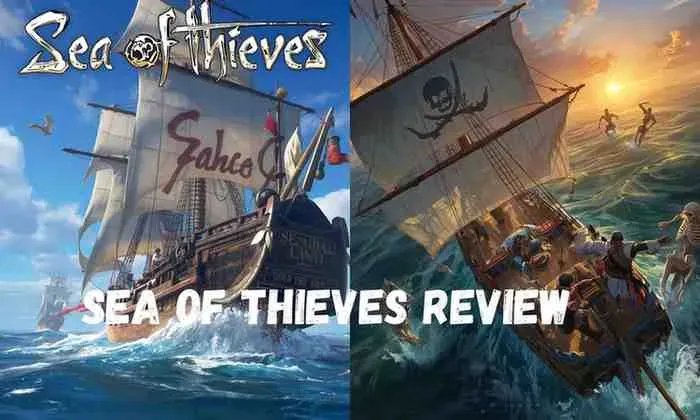
Sea of Thieves Review The Ultimate Pirate Adventure Game

Introduction:
Sea of Thieves immerses you in a vast, open-world ocean where adventure, danger, and treasure await at every turn. From navigating stormy seas to discovering hidden coves and battling rival crews, the game captures the essence of life as a pirate. Its vibrant world, dynamic events, and cooperative gameplay make every voyage feel unique, whether you’re exploring alone or with friends. In this review, we’ll dive into gameplay mechanics, maps, cross-platform features, ship management, updates, and tips to help both newcomers and veteran sailors make the most of their pirate adventures.
What Makes the Game Unique?
Developed by Rare and published by Xbox Game Studios, this pirate adventure is unlike any other. Players take on the role of daring sailors exploring a vast, open-world ocean filled with islands, mysteries, and rival crews. Its emphasis on cooperative play, treasure hunting, and unpredictable encounters creates a dynamic experience that changes with every session.
Unlike typical RPGs or strategy games, the game focuses heavily on social interaction. Whether you’re forming alliances, competing against other players, or completing quests together, teamwork often dictates success. Even solo players can enjoy the game, though they must adapt strategies for smaller crews or single-handed sailing.
The charm of the game lies in its freedom. There’s no strict storyline forcing you down one path. You can be a merchant hunting rare treasures one day and a fearsome pirate raiding outposts the next. This open-ended design keeps the world fresh and players engaged.
Gameplay Overview: Adventure, Combat, and Exploration
Gameplay is at the core of what makes the game so appealing. At its heart, it’s a mix of adventure, exploration, and naval strategy. Players can:
- Explore islands with hidden treasures
- Complete voyages offered by trading companies
- Engage in ship battles with AI skeleton fleets or other players
- Solve riddles, hunt skeleton captains, and uncover legendary artifacts
Ship Management
Your ship is your lifeline at sea. Steering, adjusting sails, firing cannons, and repairing damage requires coordination with your crew. The game rewards effective teamwork, making every successful battle feel earned. Even solo players can manage, but teamwork drastically reduces difficulty.
Dynamic Weather and Environment
One of the most immersive elements is the weather system. Storms appear without warning, creating challenging navigation situations, while calm days allow peaceful exploration and treasure hunting. Nighttime adds another layer of danger and beauty, with glowing skies and shadows that can hide both enemies and treasures.
Combat and PvP
Player versus player (PvP) combat is intense and strategic. Cannon battles require timing, skill, and cooperation. Meanwhile, player versus environment (PvE) battles against skeleton forts, megalodons, or Kraken encounters offer high-risk, high-reward gameplay.
Even casual encounters can turn into epic battles, and knowing when to fight or flee is often the difference between losing your loot and securing legendary treasures.
Sea of Thieves on PS5: Is It Worth It?
Though initially exclusive to Xbox and PC, players have found ways to access the game on PS5 through cloud gaming. The console’s hardware ensures smooth performance, high frame rates, and vibrant graphics, which enhance the overall immersion.
Many players wonder whether it is cross-platform. The answer is yes. Cross-platform functionality allows Xbox, PC, and cloud gamers to play together seamlessly. Friends across different devices can team up without limitations, ensuring everyone enjoys the same multiplayer adventures.
For PS5 players, cloud gaming also allows them to experience updates, seasonal events, and new content without compromise. It’s a perfect option for gamers who do not own Xbox or a gaming PC.
Exploring the Map:
The in-game map is a massive, vibrant ocean full of islands, hidden treasures, and challenging dungeons. Understanding the map is essential for both survival and strategy. Key locations include:
- Outposts: Safe zones where players can sell loot and purchase supplies
- Ancient Isles: Full of puzzles, hidden treasures, and environmental hazards
- Skeleton Forts: High-risk, high-reward zones with strong enemies and treasure
Players often mark points of interest for future reference. Over time, learning the locations of resources, enemy spawn points, and optimal sailing routes becomes crucial. Mastery of the map allows for faster voyages, safer navigation, and more efficient treasure hunting.
Exploration is not just about traveling from point A to B. You may stumble upon rare events like wandering merchant ships, megalodons, or storm-chased treasure fleets. Each encounter adds variety, ensuring no two sessions are the same.
Crossplay Features:
Cross-platform play is one of the game’s strongest features. It allows Xbox and PC players to team up seamlessly. Players can:
- Invite friends to their crew regardless of device
- Compete against players across platforms
- Participate in large-scale multiplayer events without restrictions
Crossplay keeps the player base active and ensures that matchmaking is fast and competitive. Whether you’re on a console, PC, or using cloud gaming, you’ll always have opportunities for adventures or encounters.
Ships: Buying, Managing, and Customizing
Ships are central to your journey. Depending on crew size and playstyle, you can choose between three primary vessels:
- Sloop: Small, fast, and ideal for solo players or duos. Easy to maneuver but limited firepower.
- Brigantine: Medium-sized, perfect for 2–3 players. Balanced speed and combat capabilities.
- Galleon: Large, powerful, and designed for a full crew of 4. Heavily armed but requires teamwork to operate efficiently.
Buying and Customization
Ships can be purchased using in-game currency earned through quests, voyages, or treasure hunts. Customization options allow players to personalize their ships with unique sails, figureheads, hull designs, and flags. This adds a personal touch to each vessel, making your crew feel distinct in the multiplayer seas.
Proper ship management, including keeping supplies stocked (cannonballs, planks, food), can mean the difference between survival and defeat during high-stakes PvP encounters.
Updates and New Content:
Rare consistently releases updates that expand and enrich the game. Notable updates include:
- The Hungering Deep: Introduced the megalodon, a terrifying sea predator, alongside new storylines
- Cursed Sails: Brought AI-controlled skeleton ships, increasing PvP challenges
- Forsaken Shores: Volcanic islands introduced environmental hazards and quests
- Seasonal Updates: New events, cosmetics, challenges, and storylines that refresh the game regularly
Frequent updates ensure the game evolves, keeping veteran players engaged and offering new experiences for newcomers.
Tips for Beginners:
- Learn the Basics: Master ship steering, cannon firing, and repairs.
- Keep Watch: Always scan the horizon for enemy ships or storms.
- Join a Crew: Teamwork makes difficult voyages manageable.
- Plan Voyages: Choose quests suited to your skill and crew size.
- Stock Supplies: Always have food, planks, and cannonballs ready.
- Use the Map: Mark points of interest and track your progress efficiently.
- Observe Other Players: Some encounters can be avoided or exploited strategically.
Following these tips makes early gameplay smoother and ensures new players can enjoy the game without unnecessary frustration.
Advanced Strategies:
For experienced players looking to maximize efficiency and rewards:
- Treasure Raiding: Focus on high-value targets such as Skeleton Forts and legendary voyages.
- PvP Tactics: Learn ship maneuvering, cannon timing, and boarding strategies to gain the upper hand in battles.
- Resource Management: Keep reserves of cannonballs and food in multiple locations on the ship.
- Event Participation: Seasonal events often offer unique rewards and rare cosmetics.
- Crew Coordination: Assign specific roles (steering, lookout, cannons) to ensure smooth sailing and combat efficiency.
Pros and Cons:
Pros:
- Stunning open-world visuals
- Dynamic multiplayer with PvP and PvE
- Frequent updates keep gameplay fresh
- Cooperative play is rewarding and strategic
- Ship combat is unique and immersive
Cons:
- Solo play can be challenging and repetitive
- Some quests may feel grind-heavy
- Not natively available on PlayStation, requiring cloud gaming
For most players, the benefits far outweigh the drawbacks, especially for groups seeking a cooperative pirate adventure.
Is It Worth Buying?
Absolutely. The game offers a rare combination of exploration, naval combat, and cooperative play. Its beautiful graphics, unpredictable events, and cross-platform multiplayer make it engaging for both casual and hardcore players.
Whether hunting treasure, facing rival crews, or simply enjoying peaceful sailing, the game delivers countless hours of adventure. Crossplay ensures friends on any platform can join, making multiplayer experiences seamless and enjoyable.
Final Thoughts:
This pirate adventure is truly unique, offering exploration, teamwork, and dynamic multiplayer gameplay. Frequent updates, crossplay support, and a rich open world make it appealing to both casual and hardcore gamers. Whether you’re chasing treasure, engaging in ship battles, or enjoying the serene ocean sunsets, it provides an immersive experience that’s difficult to match.
Even years after release, the game remains relevant due to its evolving world and community-driven gameplay. For anyone seeking adventure, strategy, and fun on the high seas, it is a must-play.
FAQs:
1. Can I play on multiple platforms?
Yes, crossplay allows Xbox and PC players to play together.
2. Can I access it on PS5?
Not natively, but cloud gaming lets PS5 users join seamlessly.
3. How do I buy a ship?
Use in-game currency to purchase Sloop, Brigantine, or Galleon.
4. Is PvP available?
Yes, ship battles against other crews are a key feature.
5. What’s included in the latest update?
New quests, seasonal events, and cosmetic items.
6. How do I navigate efficiently?
Use maps, mark points of interest, and memorize island layouts.
7. Can I play solo?
Yes, but managing a ship alone is challenging.
8. Are there seasonal events?
Yes, these bring unique challenges, cosmetics, and storylines.

In the United States, gambling is supposed to be tightly regulated, fragmented state-by-state, and controlled by a framework rooted in the old casino capitals — Las Vegas and Atlantic City. Yet a quiet shift is underway. Across 2024–26, gambling has become less a location you visit and more an activity that follows people wherever the law allows it to exist.
And that law is stretching further every year.
From prohibition map to patchwork market
Six years ago, only a handful of states allowed legal sports betting. Today, more than 38 states and Washington D.C. in some form permit it — a transformation triggered by the Supreme Court’s 2018 decision overturning PASPA.
That ruling didn’t just open the door; it blew the hinges off.
States began to calculate the math themselves:
legal market + tax revenue + economic activity > prohibition.
The result: America is quietly building the largest regulated betting market on Earth, but without a single national rulebook or central regulator.
Where the money is actually going
U.S. sportsbooks reported over $120 billion in handle in 2023 — the amount wagered — and analysts expect that figure to cross $150 billion by 2026 if current trends hold.
But the numbers that should matter most aren’t the wagers; they’re the losses.
American bettors lost roughly $10–11 billion on sports bets in 2023 alone.
That’s not counting online casino play — legal in only seven states, yet already approaching $6–7 billion in annual operator revenue.
These numbers rarely make headlines. The public hears about tax wins, jobs, and Super Bowl betting frenzies, not the cumulative effect of tens of millions of micro-bets disappearing from debit cards every weekend.
The digital casino that never clocks out
One thing that separates the U.S. gambling boom from previous eras is accessibility.
Where Las Vegas once required a plane ticket, today gamblers need only a smartphone and a Wi-Fi signal.
Casino-style games — slots, blackjack, roulette — remain technically illegal online in most states. But regulators are discovering that “lines on paper” mean little to consumers who understand how to use VPNs, offshore domains, or social “sweepstakes” models.
That’s why, in online discussion threads, you’ll occasionally see references to non gamstop casinos or commentary about casinos not on gamstop, even though GamStop is a UK system. It’s shorthand for offshore platforms that operate outside U.S. law — a reminder that the digital border is far more porous than lawmakers imagined.
And while U.S. regulators stress legal options, player chatter often pushes toward whatever feels easiest or most entertaining, including casual mentions of the best non gamstop casino alternatives for those who don’t care where a website is licensed.
Who pays the cost
Industry lobbyists argue that legalisation reduces harm by replacing unregulated markets. There’s truth there: regulated sportsbooks pay taxes, offer customer records, and can be compelled to freeze accounts or block suspicious activity.
But states don’t yet collect consistent data on addiction rates.
Only seven states fund problem-gambling programs at levels public-health advocates deem adequate.
Some states that earn hundreds of millions in wagering taxes invest less than $1 million into treatment.
The absence of federal oversight means everyone measures “risk” differently.
One state bars credit cards for deposits; the next doesn’t.
One blocks celebrities on ads; another runs billboards outside universities.
Between the lines, a picture forms: the system isn’t designed — it’s evolving in real time.
What comes next
Analysts believe the U.S. market will continue expanding until:
1. Nearly every state legalises sports betting, and
2. A majority legalise or semi-legalise online casino play.
That second stage worries public-health groups most. Casino games, unlike sports betting, don’t require knowledge, research, or pre-existing fandom. They move faster, trigger dopamine quicker, and statistically create more losses over time.
If sports betting was the “gateway” step, online casinos are the real policy battleground ahead.
The unanswered question
America is building a new national pastime — without ever officially declaring it.
The real investigative question isn’t whether gambling will spread.
The numbers show that’s already settled.
It’s who will benefit and who will absorb the losses:
• State governments hungry for tax revenue?
• Massive private operators and their few parent companies?
• Or bettors themselves, who currently subsidise both?
With no federal standard, the U.S. is testing a vast social experiment in live mode.
Millions are participating. Billions are moving.
And the rules remain largely unwritten.
-
 Gaming1 year ago
Today Wordle Hint Puzzle Game Solve
-
 Gaming1 year ago
Connections Hint Today Mashable Winning Puzzle Daily
-
 Gaming9 months ago
Octordle Hint: The Ultimate AI-Powered Guide to Winning the Game Smartly
-
 Gaming9 months ago
Toy Theater: The Ultimate Online Playground for Learning, Creativity, and Fun
-
 Gaming8 months ago
Strands Hint Today – Simple Clues Before the Answers
-
 Gaming8 months ago
Cowordle: The Ultimate Guide to the Multiplayer Word Puzzle Game